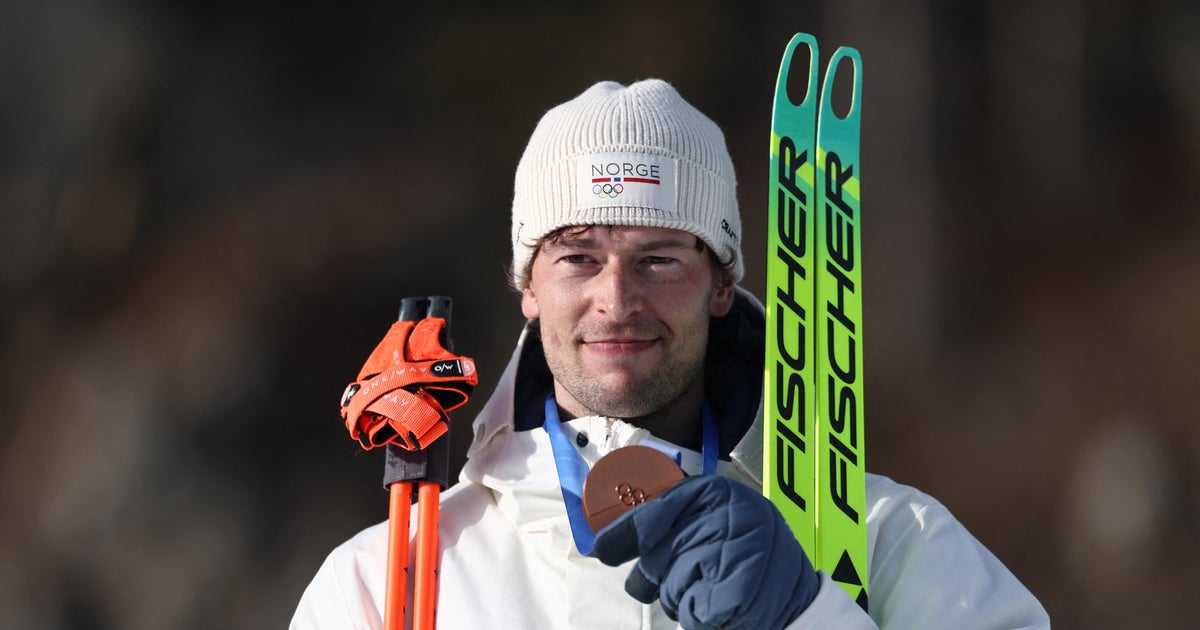
The Milan Cortina Olympics, a stage usually reserved for tales of athletic prowess and golden victories, recently witnessed an extraordinary and deeply personal drama unfold. Norwegian biathlete Sturla Holm Lægreid, a seasoned competitor and a familiar face on the podium, found himself at the center of a different kind of spotlight. His post-medal interview, instead of focusing on his hard-won bronze, became an unexpected public confession of infidelity, sending shockwaves through the sporting world and beyond. This unprecedented move, born from a desperate hope to salvage a shattered relationship, has ignited a global conversation about privacy, redemption, and the raw emotions behind Olympic glory.
The Unprecedented Confession: A Biathlete's Public Plea
Just days after securing a bronze medal in the men's 20-kilometer individual biathlon race, Sturla Holm Lægreid, known for his calm demeanor and precision on the track, made an astonishing admission on live television. Speaking to Norwegian Broadcasting Corp. (NRK) during the 2026 Milan Cortina Games, the 28-year-old revealed that he had cheated on his girlfriend, whom he described as "the love of his life, the most beautiful and kindest person." This shocking revelation, made during a moment that should have been pure celebration, immediately shifted the narrative from athletic triumph to personal turmoil.
Lægreid elaborated on the timeline, stating that he had confessed his infidelity to her a week prior to his Olympic win, leading to their breakup. "I told her a week ago. And it's been the worst week of my life," he revealed, tearfully. He expressed profound regret, saying he regretted his behavior "with all his heart" and accepted "the consequences of what he'd done." His motivation for going public was clear: he hoped that by "putting it all on the table" and committing what he termed "social suicide," he could demonstrate the depth of his remorse and convince her to take him back. "I had a gold medal in life, and there’s probably a lot of people out there who look at me differently now, but I only have eyes for her," he declared, adding, "My only path to the finish line is to tell her everything... and hope that she’ll still love me." This desperate plea from the Norwegian who cheated on girlfriend stunned audiences globally. To dive deeper into the biathlete's motivation, read about Sturla Holm Lægreid's 'Social Suicide' Confession to Win Back Love.
It's a stark contrast to his usual sporting narrative. Lægreid is a decorated athlete, a six-time Biathlon World Champion and a relay gold medalist at the 2022 Winter Olympics in Beijing. Yet, even as he added another Olympic bronze to his collection, his focus was undeniably on his fractured personal life, creating a unique and uncomfortable juxtaposition of professional success and private despair.
Beyond the Bronze: The Emotional Toll and Public Backlash
While Lægreid's raw honesty garnered some sympathy, his public confession quickly drew criticism and sparked considerable debate. The most immediate concern came from the reported reaction of his ex-girlfriend. Local media conveyed her palpable unhappiness with the public spectacle, quoting her as saying, "I did not choose to be in this position, and it hurts to have to be in it." This statement highlights the significant ethical dilemma of Lægreid's act: while he sought redemption for himself, he simultaneously thrust a deeply personal and painful situation into the global spotlight, stripping his ex-partner of her privacy and agency in the healing process. Her identity, thankfully, remains undisclosed, but the emotional burden of such a public display cannot be understated.
Furthermore, some critics pointed out that Lægreid's highly emotional interview diverted attention from his teammate, Johan-Olav Botn, who had won the gold medal in the same event. In the competitive world of sports, where every second of airtime is coveted, overshadowing a teammate's triumph for a personal confession was seen by some as inappropriate. Teammate reactions were mixed; Johannes Dale-Skjevdal admitted awareness of the incident, stating, "Yeah, we knew. I don’t have much to say about it... it’s good that he’s open about it." Martin Uldal, however, was in the dark but noted Lægreid had been "acting differently." The complex web of personal ethics, team dynamics, and media attention further complicated an already delicate situation. For more on her perspective, explore the article: Olympic Cheating Confession: Biathlete's Ex Unhappy With Public Display.
The Ethics of Public Confessions: Privacy, Performance, and Professionalism
Lægreid's unique decision to air his personal grievances on an Olympic platform raises profound questions about the responsibilities of public figures and the boundaries between private and public life. While athletes are often viewed as role models, expected to embody integrity and sportsmanship, Lægreid's confession presented a complicated facet of this expectation. He himself acknowledged, "I want to be a good role model, but I have to own up to my mistakes." This statement encapsulates the modern paradox of celebrity: the desire to be authentic versus the need to maintain a polished public image.
The core ethical concern revolves around consent and privacy. Even if Lægreid believed his public confession was a sincere act of contrition, it unilaterally made his ex-girlfriend's pain a matter of public consumption without her explicit consent. Such an act, while perhaps stemming from genuine anguish, can inadvertently cause further distress and psychological pressure on the innocent party. It also begs the question of whether an Olympic platform, dedicated to celebrating athletic achievement, is the appropriate forum for such deeply personal revelations.
Despite the immense personal turmoil, Lægreid's ability to still perform at an Olympic level is a testament to incredible mental fortitude. He mentioned receiving a motivating video from his home club, perhaps a small anchor amidst the storm. However, the emotional toll of carrying such a secret, confessing it, and then performing under the intense Olympic glare, speaks volumes about the pressure athletes face, both on and off the field of play. It highlights the often-unseen struggles behind the medals, reminding us that even the most successful individuals are not immune to profound personal challenges.
Rebuilding Trust After Infidelity: A Hard Road Ahead
Regardless of the public nature of Lægreid's confession, the fundamental challenge remains: rebuilding trust after infidelity. This is a universally difficult journey, fraught with emotional complexities. While Lægreid's "social suicide" attempt was unconventional, the underlying principles for repairing a broken relationship after a betrayal are well-established, though incredibly difficult to implement successfully.
Here are some practical insights for anyone facing similar challenges:
- Private, Honest Communication: While Lægreid made a public plea, true reconciliation begins with deeply personal, private, and honest conversations. Both parties need a safe space to express their feelings without external pressure or judgment.
- Genuine Remorse, Not Just Regret: Regret is about the consequences; remorse is about understanding the pain caused. The person who cheated must genuinely understand and articulate the depth of hurt inflicted.
- Empathy and Patience: The betrayed partner needs time and space to process their emotions. Healing is not linear, and the path is often long and arduous.
- Accountability and Change: Words are not enough. The individual who strayed must demonstrate consistent changes in behavior and a clear commitment to preventing future betrayals. This often involves introspection into the root causes of the infidelity.
- Professional Help: Couples therapy or individual counseling can provide invaluable tools, strategies, and a neutral space for navigating the complexities of betrayal and rebuilding trust.
- Respect for Privacy: As seen with Lægreid's ex-girlfriend, privacy is paramount. Sharing such intimate details publicly, no matter the intention, can exacerbate pain and complicate the healing process.
Lægreid's public confession, while a bold and desperate gesture, may have inadvertently added layers of complexity to his personal quest for forgiveness. The journey of trust is deeply personal and often requires a quiet, sustained effort away from the global stage.
Conclusion
Sturla Holm Lægreid's post-medal plea at the Milan Cortina Olympics stands as one of the most remarkable and emotionally charged moments in recent sports history. The image of a decorated athlete, fresh off an Olympic podium, using his moment in the sun to publicly atone for a personal betrayal, is a powerful and unsettling one. His desperate attempt to win back the "love of his life" by confessing that the Norwegian cheated on girlfriend sparked a torrent of reactions, from sympathy for his obvious anguish to criticism for his disregard of privacy and potential emotional manipulation.
Ultimately, this saga highlights the intense human drama that often plays out behind the public personas of athletes. It's a reminder that even amidst the pursuit of Olympic glory, personal struggles can overshadow triumphs, and the quest for emotional redemption can sometimes take an unexpected, globally broadcast turn. While Lægreid's path to reconciliation remains uncertain and undeniably complex due to its public nature, his confession has undeniably opened a wider dialogue about accountability, privacy, and the delicate balance between personal suffering and public responsibility.