Olympic Spotlight Turns Personal: Norwegian Biathlete's Confession Divides Public
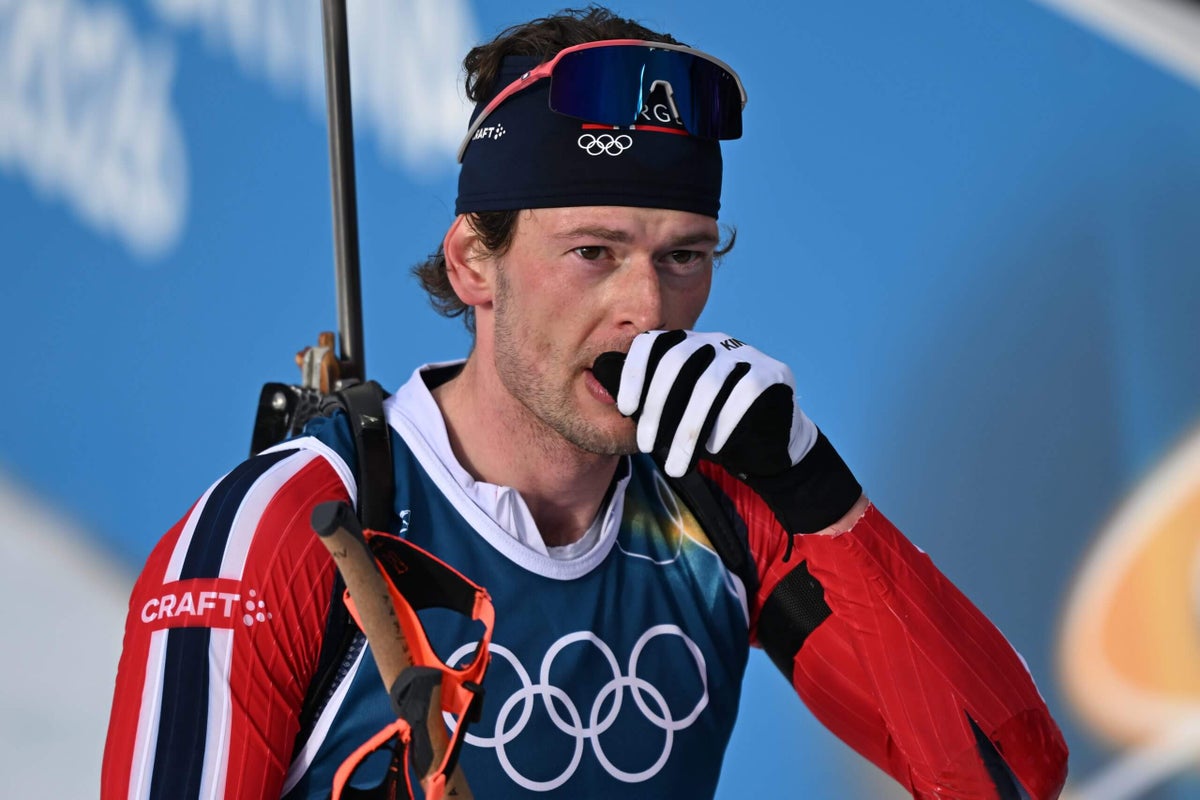
The global stage of the Milan Cortina Olympics recently witnessed a dramatic turn from athletic triumph to personal turmoil, as Norwegian biathlete Sturla Holm Lægreid, fresh off winning two bronze medals, made an unprompted and deeply emotional confession during a live post-race interview. His admission that he had cheated on his girlfriend sent shockwaves through the sports world and beyond, creating a complex narrative that blurred the lines between private heartbreak and public spectacle.
While celebrating his hard-won medals, Lægreid used the moment not to bask in glory, but to express profound regret and a desperate plea to win back the woman he called "the love of his life." This raw display, however, has ignited a fierce debate about the ethics of public apologies, the boundaries of celebrity privacy, and the lasting impact of betrayal, especially when it becomes global news. The story highlights the intense pressure athletes face, both on and off the track, and the complex emotional landscape that often lies beneath the surface of sporting achievements.
The Unprompted Confession: A Bid for Redemption or a Desperate Gamble?
The scene was set at the 2026 Milan Cortina Games, where Sturla Holm Lægreid, already a celebrated six-time Biathlon World Champion and a 2022 Beijing Olympic relay gold medalist, added two bronze medals to his collection. Yet, it was not his athletic prowess that captivated the audience on Tuesday after his 20-kilometer individual race, but his tearful admission. Addressing Norwegian Broadcasting Corp. (NRK) and subsequently the world, Lægreid revealed he had confessed his infidelity to his girlfriend a week prior, leading to their breakup.
"I told her a week ago. And it's been the worst week of my life," he stated, his voice heavy with emotion. He described his ex-partner as "the most beautiful and kindest person" and expressed regret "with all [his] heart." Lægreid explicitly framed his public confession as a desperate attempt to show the depth of his remorse and potentially win her back, even referring to it as "social suicide." "I hope that committing social suicide [like this] might show her how much I love her," he declared, adding, "Maybe I’m dumb as a rock. I’m a member of Mensa, but I still do stupid stuff."
His motivation was clear: he believed putting "it all on the table," not just for her but for the entire world, was his "only path to the finish line" for their relationship. The contrast between his competitive success and his personal despair was stark, underscoring the immense emotional burden he carried while competing at the highest level. Interestingly, some teammates, like Johannes Dale-Skjevdal, were aware of the situation, while others, like Martin Uldal, noted Lægreid had been "acting differently" but were otherwise in the dark. This demonstrates the isolating nature of personal struggles, even within a close-knit team.
The Unseen Fallout: Why His Ex-Girlfriend Was Unhappy with the Public Display
While Lægreid's confession garnered widespread attention, not all reactions were sympathetic. Local media quickly reported that his ex-girlfriend, whose identity remains protected, was far from pleased with being unwillingly thrust into the global spotlight. "I did not choose to be in this position, and it hurts to have to be in it," she was quoted as saying, highlighting the significant breach of privacy and emotional distress caused by the public spectacle. For more on this, you can read about the Norwegian Biathlete's Post-Medal Plea After Cheating Admission.
Her reaction underscores a critical aspect often overlooked in public apologies: the agency and well-being of the aggrieved party. While Lægreid framed his actions as a selfless act of love and accountability, for his ex-girlfriend, it became an unsolicited public burden. She suddenly found her deepest personal pain dissected by millions, with no control over the narrative or the accompanying scrutiny. This can lead to a feeling of re-victimization, as the focus shifts from the act of betrayal itself to her reaction to his public "redemption" attempt.
The act of a Norwegian who cheated on his girlfriend and then broadcasted their private issues globally, regardless of his intentions, stripped her of the right to process her emotions privately, free from public judgment or expectation. Healing from infidelity is a deeply personal journey, and for her, that journey was suddenly plastered across headlines and social media feeds, adding an immense and unfair pressure to an already agonizing situation.
Navigating Betrayal: Trust, Consequences, and Public Scrutiny
Infidelity is one of the most devastating blows a relationship can endure, shattering trust and leaving emotional scars. Lægreid's confession, while an admission of guilt, raises questions about the most effective and respectful way to seek forgiveness and address the consequences of one's actions. He stated, "I want to be a good role model, but I have to own up to my mistakes. You have to recognize when you’ve done something you can’t defend and hurt someone you love so deeply." However, the path to redemption, especially after a public betrayal, is fraught with complexities.
The immediate public reaction was mixed. Some lauded his courage and honesty, while others criticized his timing, arguing that his confession overshadowed his teammate Johan-Olav Botn's gold medal win in the same event, thus diverting attention from a significant athletic achievement. This highlights the delicate balance athletes must strike between their public personas and their private lives. When personal issues spill onto the public stage, they inevitably become fodder for discussion, judgment, and interpretation.
Practical Tips for Addressing Betrayal:
- Prioritize Privacy: The most sincere apologies are often delivered privately, focusing solely on the aggrieved party's feelings and healing, without external pressure or an audience.
- Accept Consequences Without Expectation: True remorse involves accepting the consequences—including the possibility of permanent separation—without demanding or expecting forgiveness or reconciliation in return.
- Focus on Actions, Not Just Words: Rebuilding trust requires consistent, long-term behavioral change, not just a single dramatic declaration.
- Respect Boundaries: Understand that the betrayed individual needs space and time. Their healing journey is theirs alone, and it should not be dictated by the confessor's desire for absolution.
Lægreid's approach, while emotionally charged, may have inadvertently made his ex-girlfriend's healing process more challenging by forcing her narrative into the public sphere. His "social suicide" attempt, while demonstrating his regret, also put an enormous burden on her. For a deeper dive into his desperate plea, read more about Sturla Holm Lægreid's 'Social Suicide' Confession to Win Back Love.
Beyond the Biathlon Track: Lessons from a Very Public Heartbreak
The saga of Sturla Holm Lægreid and his ex-girlfriend offers profound lessons reaching far beyond the biathlon track. It’s a powerful reminder that behind every public figure, there is a complex human being navigating intensely personal struggles. While Lægreid's motivations may have been rooted in deep regret and a genuine desire for reconciliation, his chosen method sparked a vital conversation about the personal cost of public displays of emotion, particularly when they involve unwilling participants.
This incident also highlights the double-edged sword of modern media and celebrity. The same platforms that amplify triumphs can also magnify personal failings, turning private heartache into global headlines. For athletes and public figures, maintaining a semblance of privacy becomes increasingly difficult in an age where every word and action can be scrutinized by millions. The demand for authenticity often clashes with the fundamental right to personal boundaries.
For anyone facing the aftermath of infidelity, whether as the confessor or the betrayed, the Lægreid story underscores the importance of choosing a path that prioritizes genuine healing, respect, and privacy. While expressions of remorse are crucial, they must be delivered with an understanding of the impact on the other person, ensuring their dignity and emotional well-being are paramount. The world may be watching, but ultimately, the resolution of such deeply personal matters belongs only to those directly involved, free from external pressures or expectations.
The Olympic stage, usually reserved for celebrating peak athletic performance, became an unexpected arena for a very public confession of a Norwegian who cheated on his girlfriend. Sturla Holm Lægreid's emotional plea to win back his ex-girlfriend, while perhaps sincere, inadvertently exposed her to unwanted public scrutiny, raising crucial questions about privacy, the ethics of public apologies, and the complex path to forgiveness after betrayal. As Lægreid continues his athletic journey, the reverberations of his confession serve as a poignant reminder that even amidst triumphs, personal battles can cast long shadows, and true healing often demands discretion, respect, and time away from the glare of the world's stage.